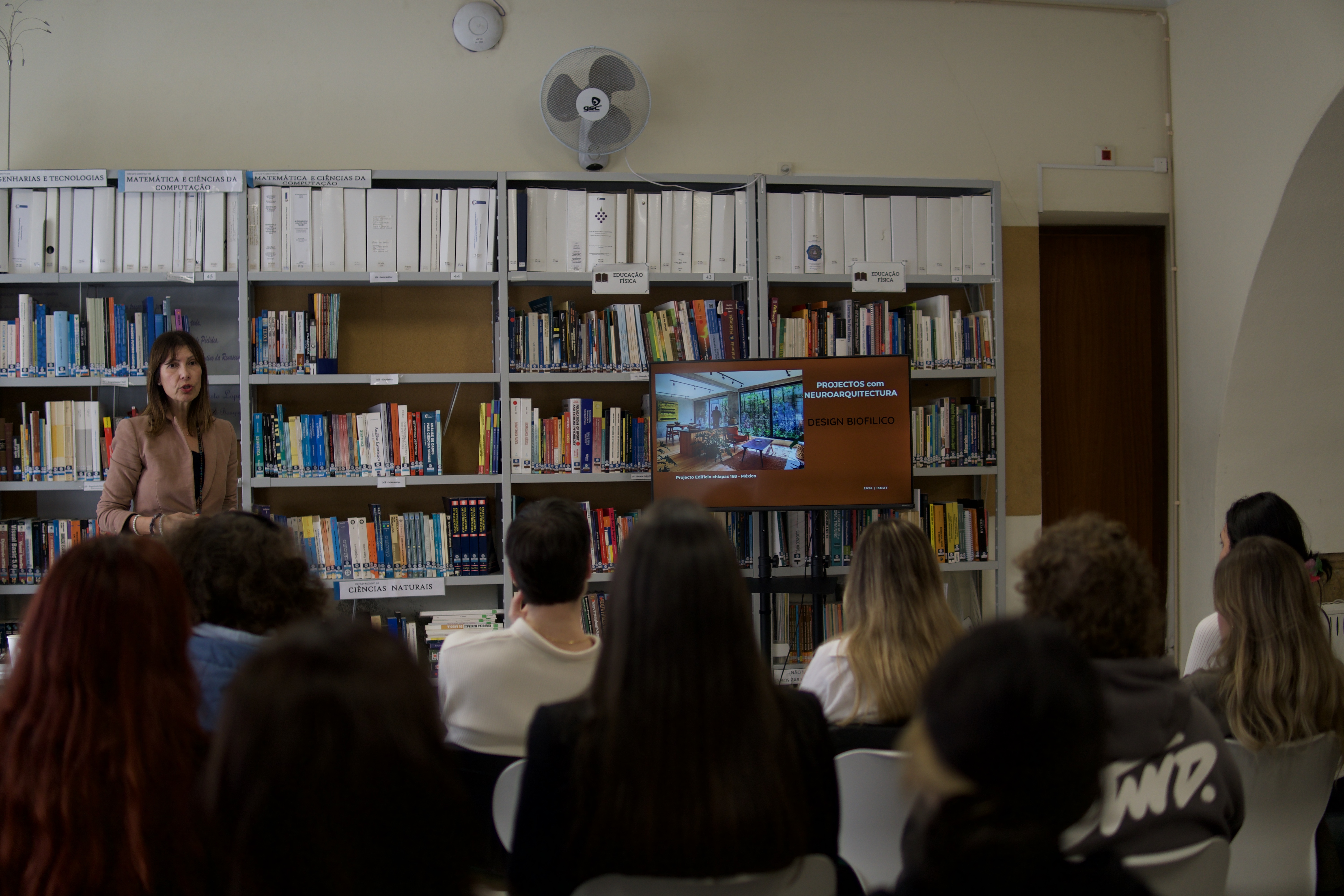
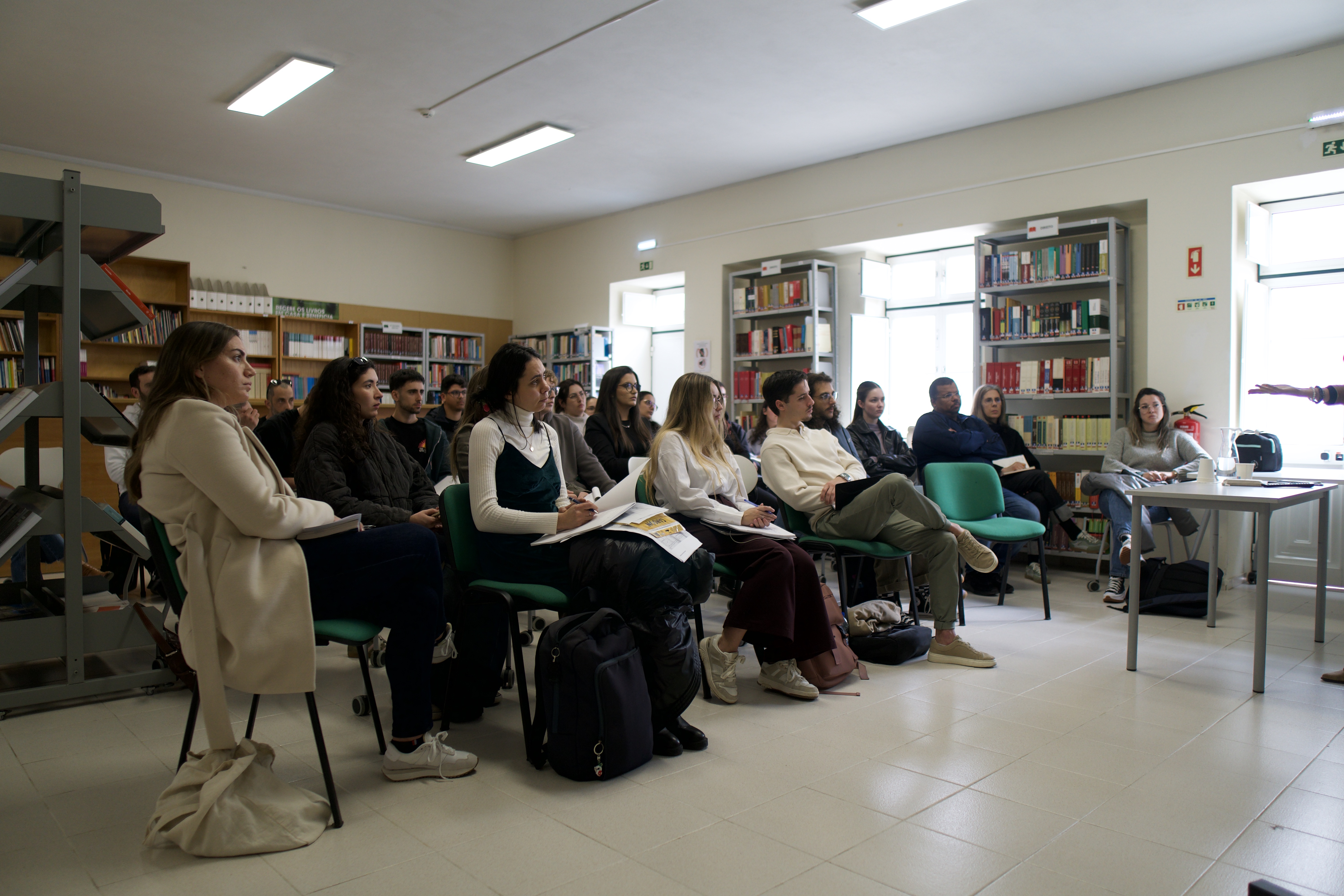
“Neuroarchitecture - Designing Spaces that Heal,” an initiative dedicated to reflecting on the relationship between architecture, the brain, and human well-being.
On February 27, 2026, ISMAT hosted the lecture "Neuroarchitecture - Designing Spaces that Heal," an initiative dedicated to reflecting on the relationship between architecture, the brain, and human well-being.
The session, which took place in the institute's library, aimed primarily to raise students' awareness of how architectural elements influence brain function and the human experience of space. It highlighted the role of the built environment in promoting health, comfort, and quality of life.
Throughout the lecture, the principles of neuroarchitecture were addressed—an interdisciplinary field that bridges architecture, neuroscience, and psychology. The discussion explored how elements such as light, color, spatial organization, materials, and sensory stimuli influence human emotions, behaviors, and cognitive processes. The core reflection centered on how spatial design can contribute to healthier, more inclusive environments that foster well-being.
This initiative provided an opportunity for students in architecture and related fields to deepen their knowledge, promoting contact with contemporary approaches that align architectural practice with human and social needs.
Through this event, ISMAT reinforces its commitment to stimulating critical thinking, interdisciplinarity, and innovation in architectural education, encouraging students to reflect on the impact of design on people's lives and the creation of more human-centric cities.